


In the previous issue, we discussed the overall framework of the book “Handbook of Pediatric Dentistry” and why there are fundamental differences in the diagnosis and treatment logic of pediatric dentistry compared to adults.
This issue enters the first specific module:
Child Assessment for pediatric dental patients.
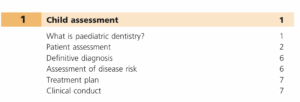
Many clinical decisions in pediatric dentistry are actually established from this aspect.
Medical history collection: the starting point of diagnosis, not examination
The core understanding of pediatric patient assessment in the book can be summarized in one sentence: the diagnosis of pediatric dentistry not only comes from oral examination, but also from a complete medical history.
Systematic medical history collection often provides a large amount of diagnostic information before clinical examination, so medical history collection is considered an important component of diagnosis in pediatric dentistry
Unlike adult patients, the medical history of pediatric dentistry usually comes from information provided jointly by parents and children. Parents need to participate in medical history discussions because many medical conditions, medication history, and early health issues require parents to provide information. At the same time, this process itself will also help dentists understand their family environment and parents’ attitudes towards oral health.
The textbook repeatedly emphasizes a concept that oral diseases in children are often related to family environment and behavioral patterns.
For example, dental caries in children is not only determined by the teeth themselves, but may also be related to dietary habits, family oral hygiene management methods, and caregivers’ health concepts. Therefore, in the evaluation of pediatric patients, in addition to traditional dental history, attention should also be paid to:
Dietary records (frequency of intake of sugary foods, bottle usage habits, etc.)
Oral hygiene habits (brushing frequency, parental assistance)
Family care situation (caregiver’s oral health awareness, family economic conditions, etc.)
These pieces of information may only serve as auxiliary references in adult dentistry, but in pediatric dentistry, they are directly related to the selection of treatment plans and prognosis assessment.
Clinical examination: not just looking at teeth
After completing the medical history collection, the pediatric dental assessment enters the clinical examination stage.
Clinical examinations not only include dental and soft tissue examinations, but may also include imaging recordings (X-rays, panoramic films, etc.), intraoral and intraoral photography, and model analysis.
These records are particularly important in pediatric patients, as children are in a sustained growth stage and long-term follow-up relies on these data for comparison. An X-ray is not only used to diagnose current problems, but may also be used to determine future developmental trends.
Disease risk assessment: predicting the future, not just diagnosing the present
Another key concept proposed in the textbook is disease risk assessment.
In pediatric dentistry, every patient needs to undergo a risk assessment, especially a caries risk assessment, before developing a treatment plan. This assessment not only relies on the current oral condition, but also requires a comprehensive evaluation of:
Past disease history
Family oral health status
dietary habits
Oral hygiene level
Is there a medical disease present
The reason why dental caries risk assessment is important in pediatric dentistry is that the progression of dental caries in children is often faster than in adults, and the window of early intervention is short. A child assessed as’ high-risk ‘may require more frequent follow-up visits, more intensive preventive measures, and even adjustments to treatment plans.
Treatment Plan: From Emergency to Long Term Management
After completing medical history collection, clinical examination, and risk assessment, clinical practice enters the stage of true diagnosis and treatment planning.
The treatment plan sequence provided in the textbook is very clear:
1. Dealing with emergencies and pain issues (addressing current pain first)
2. Develop prevention strategies (based on risk assessment results)
3. Arrange restorative treatment, surgical treatment, or orthodontic intervention (in order of priority)
4. Establish a long-term follow-up and follow-up plan (the core of pediatric dentistry)
The idea behind this sequence is that the diagnosis and treatment logic of pediatric dentistry is closer to long-term health management rather than single treatment.
Pediatric patient assessment is not only about determining the current disease, but also assessing the probability of future disease occurrence and whether the family environment can support long-term oral health management. A child with a risk assessment of “high risk” for dental caries, even if they currently only have one or two cavities, should have a treatment plan that includes intensive preventive interventions and parental education.
Preparation Inspiration
Reviewing this section again, a more obvious feeling is that the examination points of pediatric dentistry are often not isolated knowledge points, but need to be understood within a complete clinical framework.
For example, when encountering a case of multiple dental caries in young children, it may be necessary to consider simultaneously: how well the patient cooperates (behavioral management), the speed of dental caries progression (growth and development characteristics), family dietary habits (social factors), and the selection of restoration materials (characteristics of deciduous teeth).
These judgments are not isolated, but require comprehensive decision-making within a complete evaluation framework.
Next Preview
The next article is prepared to further break down the very core part of this chapter: Caries Risk Assessment for Children. This part often appears repeatedly in children’s dental exams and clinical practice, and is also a crucial scoring point that many test takers may overlook.