


Recently, the Part 2 results of the Hong Kong Dental Licensing Examination(HKDLE) have been released, bringing joy and sorrow to some. Many doctors who regret failing their exams, when communicating with us, the most common reason for reviewing is’ I never expected the deduction of points to be so strict ‘.
Many people rely on years of clinical experience to take the exam, but fail. Today, based on the core teaching framework of our Zency Education Part 2 Practical Lecture Class (Oral and Maxillofacial Surgery OMFS Direction), we have compiled a guide for everyone to avoid pitfalls in the exam.
Why do clinical veterans also get stuck in Part 2?
In the Part 2 practical exam, the examiner’s evaluation of the underlying logic can be summarized into two points: fine manual dexterity and comprehensive clinical logic.
Many candidates tend to fall into a misconception – thinking that quick tooth extraction and proficient movements can lead to high scores. But in fact, the examiner may value your standardization of steps and risk control awareness more on site.
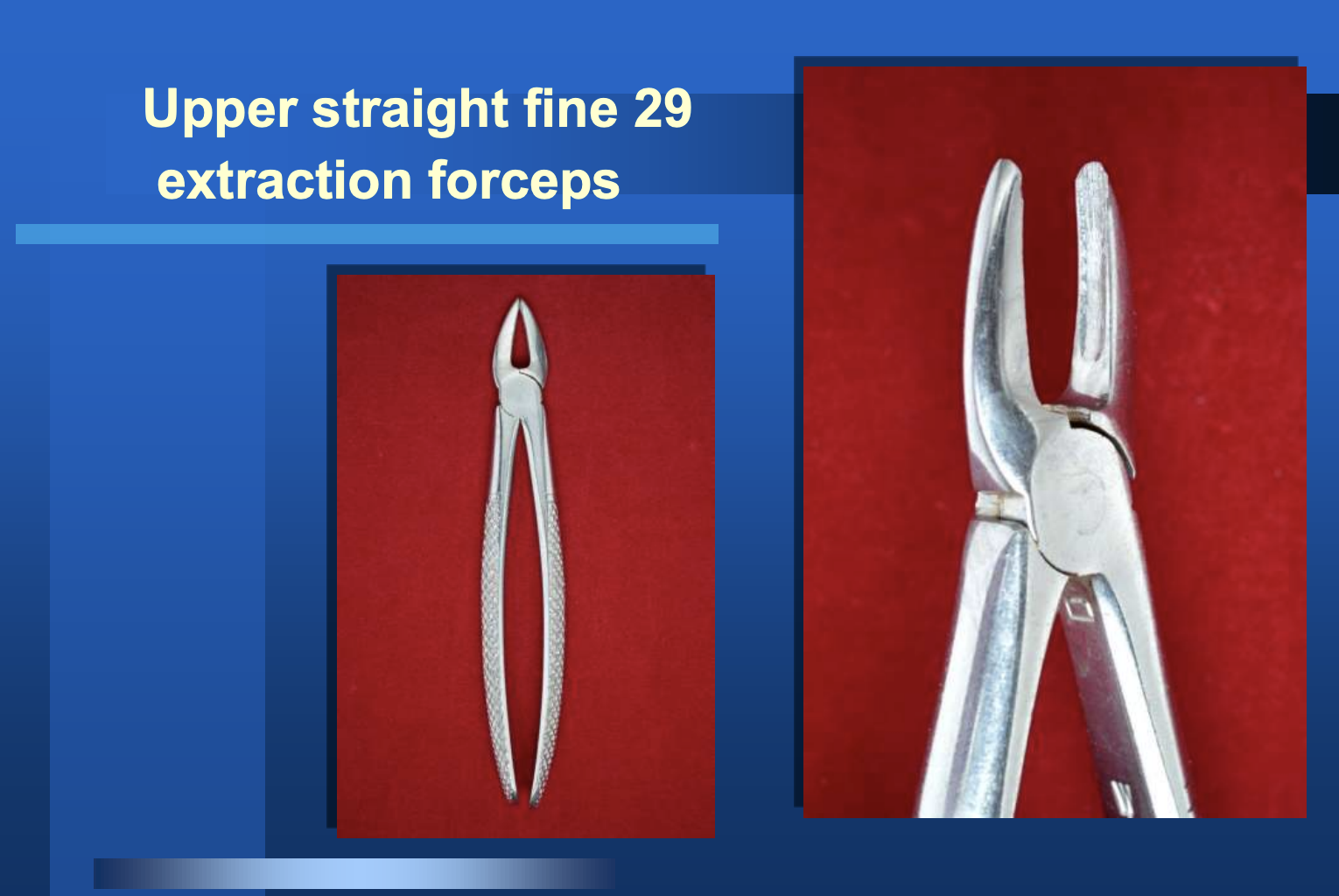
Differences in the use of dental instruments: There are significant differences in the habits of using dental extraction instruments between mainland China and Hong Kong. The mainstream use of English dental extraction forceps in Hong Kong examination rooms can easily lead to score loss if one is not familiar with the fit and mechanical characteristics of English forceps.
Process completeness>operational proficiency: The exam time is extremely tight, and the module sequence is only announced after the exam begins. It is necessary to follow the standard “Five Step Method for Tooth Extraction” and work steadily.
Exam room variables and risk control capabilities: Due to the lack of exam equipment, differences in model texture, and even the addition of pre exam drawing assessments for flap surgery, candidates who lack full process pre exam drills are prone to being flustered and losing points due to exceeding the time limit.
OMFS sector: a must-have core test point
In the Part 2 internal course of Zency Education, the teacher breaks down the practical operation of Oral and Maxillofacial Surgery (OMFS) into clear modules to help students establish a standardized exam framework:
1. Selection of local anesthesia plan
Anesthesia is not only an operation, but also an assessment of clinical decision-making. In the examination room, the anesthesia plan has strict standardized requirements: the anesthesia selection principles for maxillary teeth and mandibular posterior teeth are completely different, and the recommended plan for the examination room must be strictly followed. Some commonly used clinical tactics belong to the clear scoring minefield in exams, and blindly using them can easily lead to falling into the trap. High frequency mandatory exam questions must achieve high proficiency and positioning accuracy.
2. Standardized consultation and quantitative operation details
Many doctors neglect the standardized examination and verification before anesthesia injection. In the eyes of the examiner, these are precisely the bonus points that reflect clinical safety awareness. In addition, the selection of needle length, the direction of needle tip slope, the use of surface anesthesia, as well as specific angles, needle insertion depth, and injection dose, are also test points that require proficient operation.
3. Risk control throughout the entire process of tooth extraction and suturing surgery
Not only does it cover the practical operation of the model, but it also needs to address the design and oral presentation of individualized case plans. Mastering standard exercise strategies is essential to maintaining a calm and composed demeanor. In addition, precise control of surgical design drawings is required for flap flipping and suturing, combined with standardized actions such as intermittent suturing with higher fault tolerance, to steadily achieve basic scores.
Zency Education Part 2 Course: What are we telling you?
In order to help everyone break through the barrier of being able to do clinical work but not passing the exam, Zhengxi Education Part 2 course is specially designed for practical testing in the exam room:
✅ Improve standardized oral communication and problem-solving strategies
✅ Deeply explore the differences between Hong Kong style standards and equipment
✅ Process time practice explanation
The passage of Part 2 has never relied on blind exploration or luck, but on a profound understanding of the examination room rules and standardized process execution.
An unsatisfactory score does not necessarily mean poor clinical ability, it’s just that you haven’t mastered the examiner’s “scoring logic” yet. Don’t let information asymmetry and differences in habits become obstacles for you to practice in Hong Kong.