


The Dental Council of Hong Kong (DCHK) strictly utilizes standardized commercial typodonts throughout the HKDLE Part II Practical Test. To help you prepare effectively, Zency Education breaks down the official models across four major specialties to reveal exactly what examiners evaluate!
01. Conservative Dentistry
📌 Official Designated Model Acadental Modular Typodont (Overland Park, KS, USA)
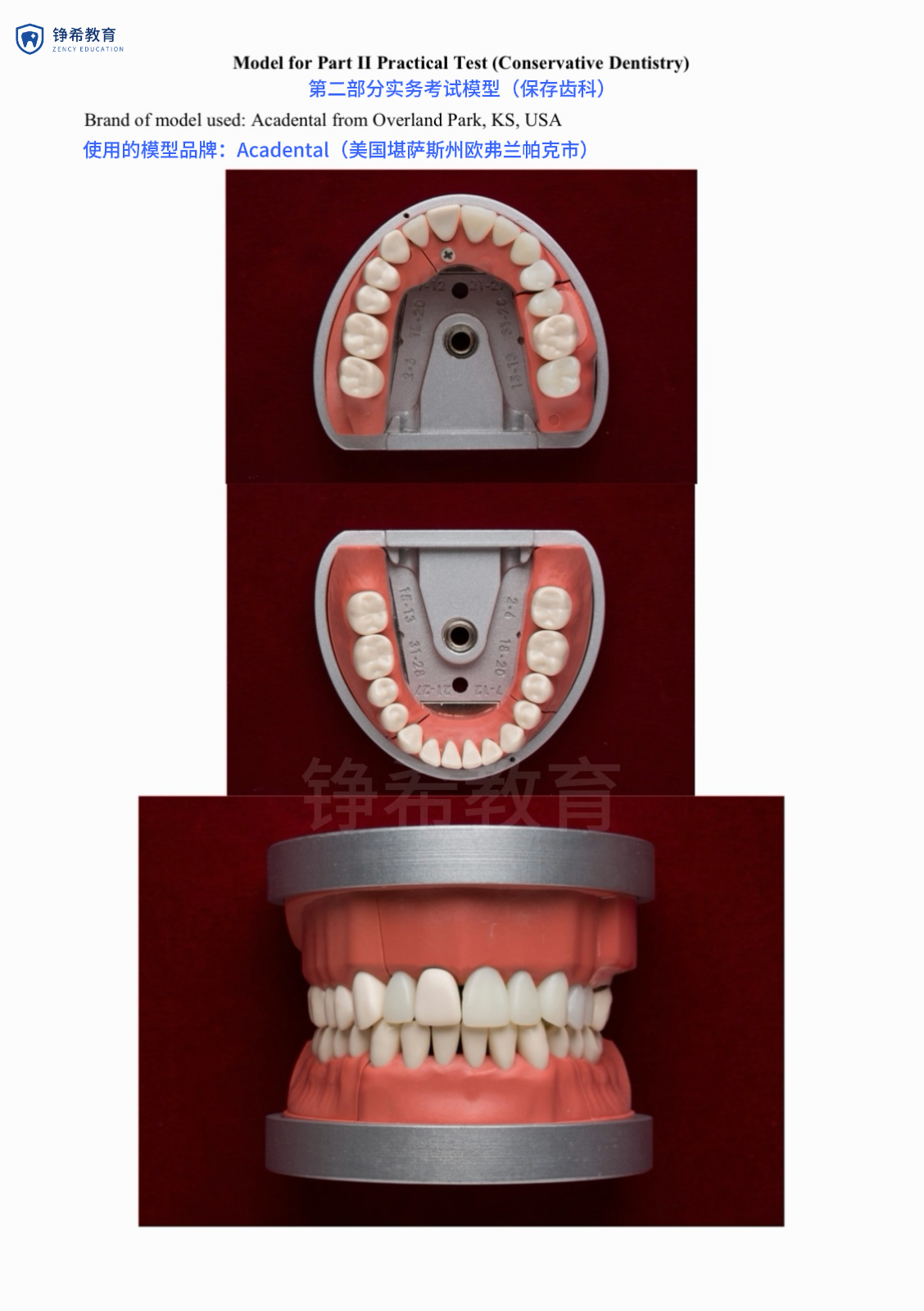
🔍 Model Breakdown: Why This Model? Featuring a metallic base labeled with tooth numbers, this Acadental typodont allows individual teeth to be independently removed and replaced. It exceptionally replicates the natural dentin-enamel junction (DEJ) and includes soft artificial gingiva, enabling seamless mounting onto phantom head systems.
💡 Key Focus Areas: Practical Avoidance Guide
- Cavity Preparation: Focuses primarily on Class I and Class II preparations. Examiners evaluate outline form, depth, flat pulpal floor, parallel walls, and retention form—with special attention to tactile control when reaching the DEJ.
- Interproximal Reconstruction: The use of matrix systems is strictly assessed. Examiners check contact point restoration, presence of overhangs, and proper marginal polishing.
02. Oral & Maxillofacial Surgery
📌 Official Designated Model Specialized Maxillofacial Surgical Typodont (Full Upper & Lower Jaw Set)
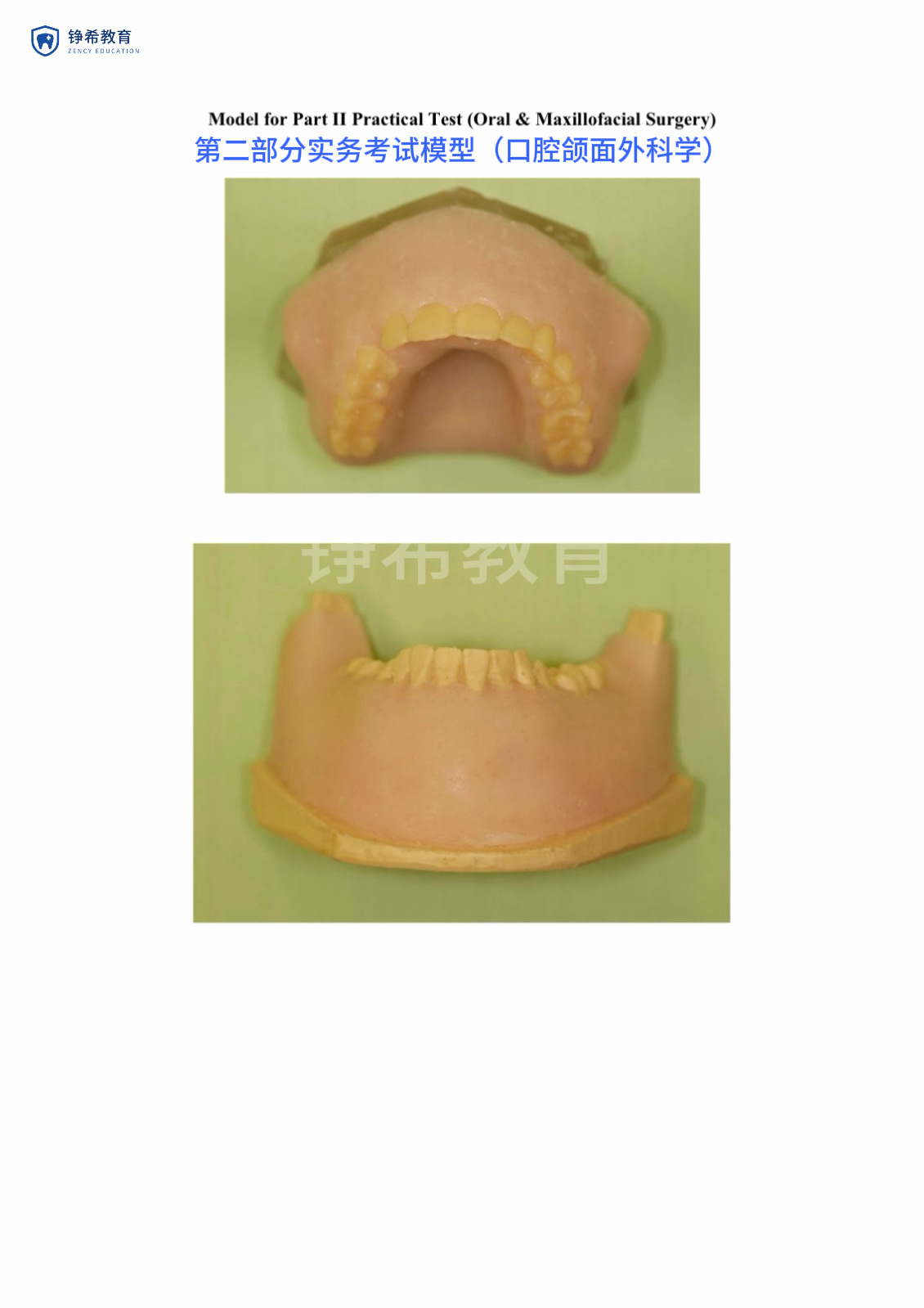
🔍 Model Breakdown: Why This Model? Unlike standard dental models, this surgical typodont utilizes a composite material simulating bone and soft tissue. It realistically replicates alveolar bone density and resistance, tailor-made for surgical procedures.
💡 Key Focus Areas: Practical Avoidance Guide
- Impacted Tooth Extraction: Evaluates minimally invasive principles and surgical field exposure across the full workflow—from flap design and bone removal to tooth sectioning.
- Suturing Fundamentals: Assesses tight wound closure, proper knot-tying technique, operational stability on rigid models, and aseptic principles.
03. Paediatric Dentistry & Orthodontics
📌 Official Designated Model Viade Products, Inc. 1404 Mixed Dentition Typodont
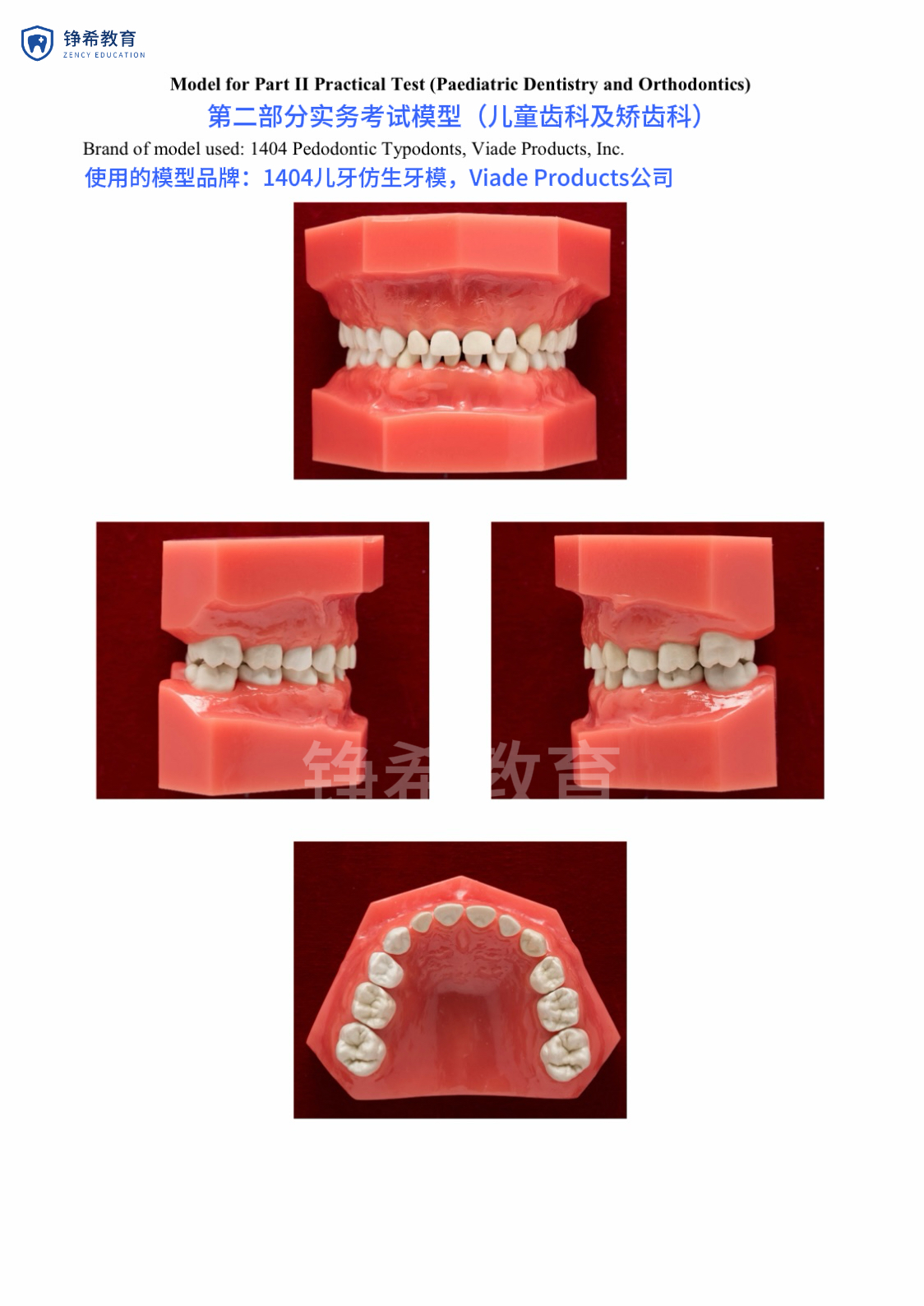
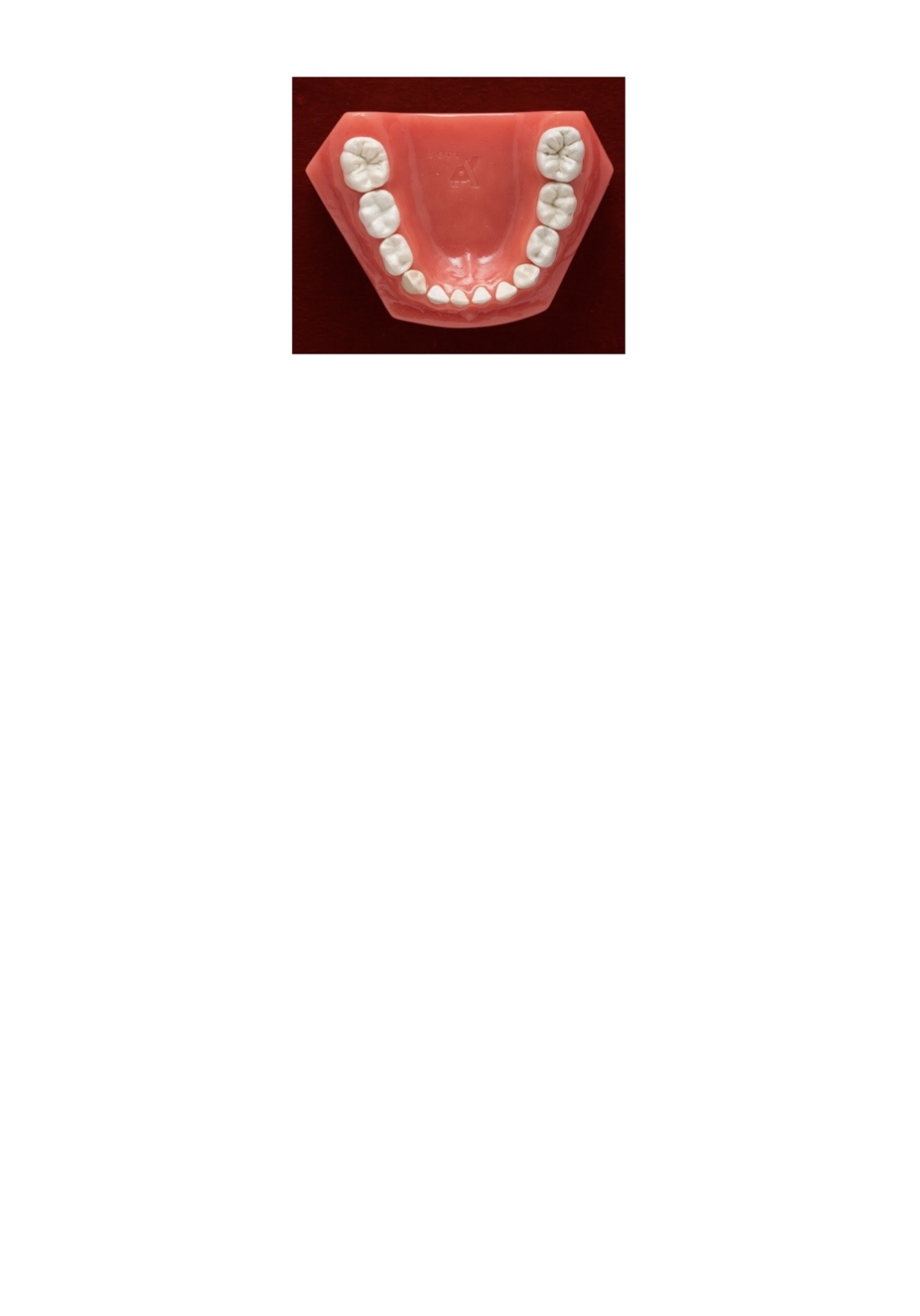
🔍 Model Breakdown: Why This Model? The challenge in paediatric dentistry and orthodontics lies in the mixed dentition stage. Designed specifically for mixed dentition, the Viade 1404 accurately replicates the coexistence of primary and permanent teeth. It features highly realistic primary molar anatomy, crowding, and occlusal relationships, with detachable teeth for practical exercise.
💡 Key Focus Areas: Practical Avoidance Guide
- Paediatric Restorations: Evaluates gentle technique and minimally invasive control during stainless steel crown (SSC) preparations on primary molars, pit and fissure sealants, and pulpotomy preparations.
- Orthodontics & Space Management: Assesses space analysis in mixed dentition, alongside space maintainer bending and placement, testing your comprehensive clinical rationale regarding occlusal development.
04. Periodontology & Dental Public Health
📌 Official Designated Model KaVo Dental DPS-Model (Model: OK PA B2 / Mat. No.: 0.623.1871)
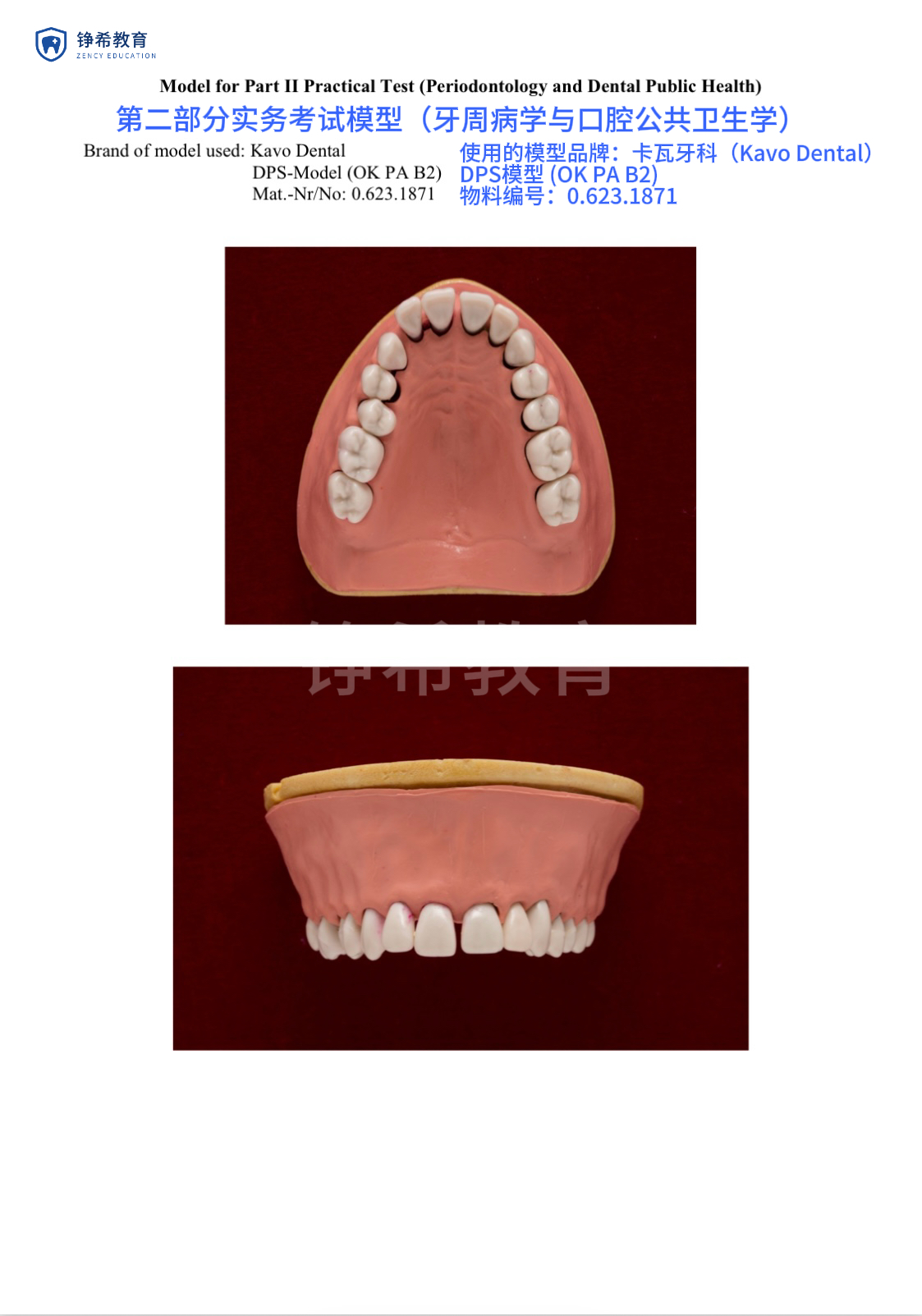
🔍 Model Breakdown: Why This Model? A specialized periodontic typodont crafted by KaVo. It features simulated inflamed gingiva, gingival recession, subgingival calculus, varying periodontal pocket depths, and furcation involvement, offering soft tissue tactile feedback remarkably close to real clinical settings.
💡 Key Focus Areas: Practical Avoidance Guide
- Periodontal Probing: Assesses force control and probing angles when measuring PD, CAL, and bleeding on probing (BOP).
- Scaling & Root Planing (SRP): Evaluates Gracey curette selection, fulcrum establishment, working end angulation, and post-scaling root surface smoothness.
🎓 How to Efficiently Pass the HKDLE Part 2?
Aligned closely with the latest DCHK syllabus, Zency Education’s Part 2 Practical Course offers comprehensive preparation support: we break down step-by-step performance standards, target critical operational details, and help you establish standardized motor memory.
Feel free to send us a direct message to inquire about course details and HKDLE preparation materials!